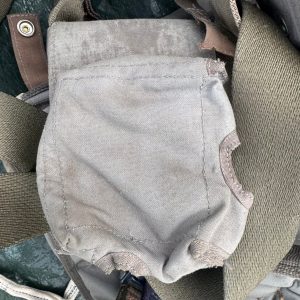
The Aircrew Parachute Harness/Pack – Vulcan & Victor Crew Seats combines historical aviation interest, crew-seat integration potential, harness construction, and emergency-equipment significance.
An Aviation Parachute Harness and Pilot Parachute Harness should be identified through labels, part numbers, manufacturing records, and configuration-specific information.
Whether buyers seek an Aircraft Emergency Parachute Harness, Aircrew Safety Harness, Flight Crew Parachute Harness, Emergency Parachute Harness, or Military Aircrew Harness, exact system identity should guide evaluation.
Accurate descriptions of Aircraft Crew Safety Equipment and Aircrew Emergency Equipment support better purchasing decisions and stronger SEO performance.
Aircraft Parachute Equipment offers the strongest value when condition, origin, markings, storage history, and intended sale status are disclosed transparently.
Exploring the Aircrew Harness and Pack Configuration
Different seats, crew roles, equipment updates, maintenance programs, and production periods may have used variations in harness, pack, fittings, or attachment arrangement.
Unknown parts should be described honestly instead of assigned an unsupported function.
Parachute Harness Webbing and Hardware
Webbing can deteriorate through age, ultraviolet exposure, chemicals, moisture, abrasion, mildew, heat, repeated loading, and unsuitable storage.
Stitching should be reviewed for broken threads, fading, contamination, pulled sections, loose patterns, unauthorized repair, and separation from the webbing.
Evaluating Harness Size and Fit
A Pilot Parachute Harness should correspond with the wearer, clothing, seat arrangement, parachute pack, attachment system, and intended operating configuration.
Professional conservation can protect both the Pilot Parachute Harness and its historical significance.
Evaluating Historic Escape Equipment
Historic equipment may contain obsolete, time-expired, modified, incomplete, or unverified components.
Careful documentation supports restoration research and Aircraft Emergency Parachute Harness preservation.
Aircrew Safety Harness Applications
An Aircrew Safety Harness may serve as part of a parachute, restraint, escape, survival, or crew-seat equipment system depending on its exact design.
Webbing should not be folded sharply under heavy weight or compressed against corroded hardware.
Military Parachute Harness Inspection
Age-related degradation can exist within fibers, stitching, hardware, or hidden areas.
Any known aircraft history, crew-seat association, unit provenance, or acquisition records should be presented carefully and supported when possible.
Harness Hardware Evaluation
A documented inspection preserves both technical information and collector value.
Signs of deterioration can include fading, stiffness, powdering fibers, frayed edges, stains, mildew, chemical odor, burned areas, torn stitching, corrosion transfer, and damaged labels.
Vulcan and Victor Aircrew Equipment
Incomplete items can still provide useful reference, restoration, or educational value.
Displays should limit exposure to bright light, humidity changes, dust, and public handling.
Aviation Emergency Escape Harness System
Seat design, parachute pack, harness connections, release mechanisms, crew procedures, aircraft configuration, and survival equipment may all interact.
Qualified historical or technical review supports accurate Aviation Emergency Escape Harness presentation.
Military Parachute Pack Components
A Parachute Harness Assembly may include load-bearing webbing, leg and shoulder straps, fittings, adjustment hardware, pack or container sections, attachment components, and identification labels.
Organized documentation also helps future owners continue research.
Military Crew Survival Gear
Historic equipment should be labeled clearly when sold for display, collection, restoration, or reference.
Conservation should prioritize reversible methods whenever practical.
Choosing Aircrew Survival Components
Collectors should preserve labels, inspection records, modifications, and storage evidence.
Accurate classification improves the credibility of Aircrew Emergency Equipment sales.
Military Pilot Escape Equipment
The offered harness/pack should not be treated as a complete parachute system unless every component is identified and professionally evaluated.
Responsible handling protects the Pilot Emergency Parachute System and its provenance.
Choosing an Aviation Safety Harness
The item should remain removable for inspection and future conservation.
Public displays should include clear information explaining the item’s aircraft association, approximate period, purpose, condition, and nonoperational status where appropriate.
Buying Historic Aircrew Equipment
A collector may prioritize originality and aircraft association, while a restoration buyer may focus on matching fittings and seat compatibility.
Original storage bags, manuals, inspection cards, or photographs can increase collector interest.
Crew-Seat Harness Compatibility
Configuration research helps avoid historically inaccurate or technically unsuitable assemblies.
Incorrect routing can damage read more webbing, bend fittings, or create false wear patterns.
Evaluating Historic Parachute Equipment
The seller should disclose cut straps, missing fittings, corrosion, mildew, staining, odors, repairs, modifications, opened packs, and unknown internal contents.
- Confirm all visible labels, part numbers, dates, contract markings, manufacturer information, inspection stamps, and claimed Vulcan or Victor crew-seat association.
- Do not treat clean appearance, original labels, or previous inspection stamps as proof of current operational suitability.
- Inspect and photograph the item immediately after delivery before cleaning, opening, adjusting, mounting, repairing, or separating components.
Historic Parachute Harness Storage
Acidic cardboard, untreated wood, plasticizers, rubber, chemicals, and damp fabrics should not contact the equipment.
The item should be inspected periodically for corrosion growth, mildew, pest activity, staining, webbing changes, odor, hardware movement, and storage damage.
Reversible Aircrew Harness Mounting
The harness should be arranged according to reliable reference material without forcing stiff components into position.
Any reproduced or replacement components should be labeled clearly.
Aircrew Harness Condition Monitoring
Conservation decisions should consider both material stability and historical value.
Repairs intended for display should remain reversible and clearly documented.
Aircrew Parachute Harness Conclusion
The Aircrew Parachute Harness/Pack – Vulcan & Victor Crew Seats may suit museums, military aviation collectors, cockpit restorers, historians, preservation specialists, and buyers seeking authentic aircrew equipment.
A qualified parachute professional must evaluate the equipment before any operational consideration, while a conservator or historian may be more appropriate for display-focused projects.
Whether collectors search for an Aviation Safety Harness, Flight Parachute Harness, or Aircraft Parachute Equipment, historical value should remain separate from operational suitability.
With complete evaluation and continued preservation, the Aircrew Parachute Harness/Pack – Vulcan & Victor Crew Seats can deliver a professional combination of historical significance, restoration potential, collectible appeal, and military aviation heritage.